
Eco Awnings
Product Information
Eco Awnings
Flexible fixing options to suit every project
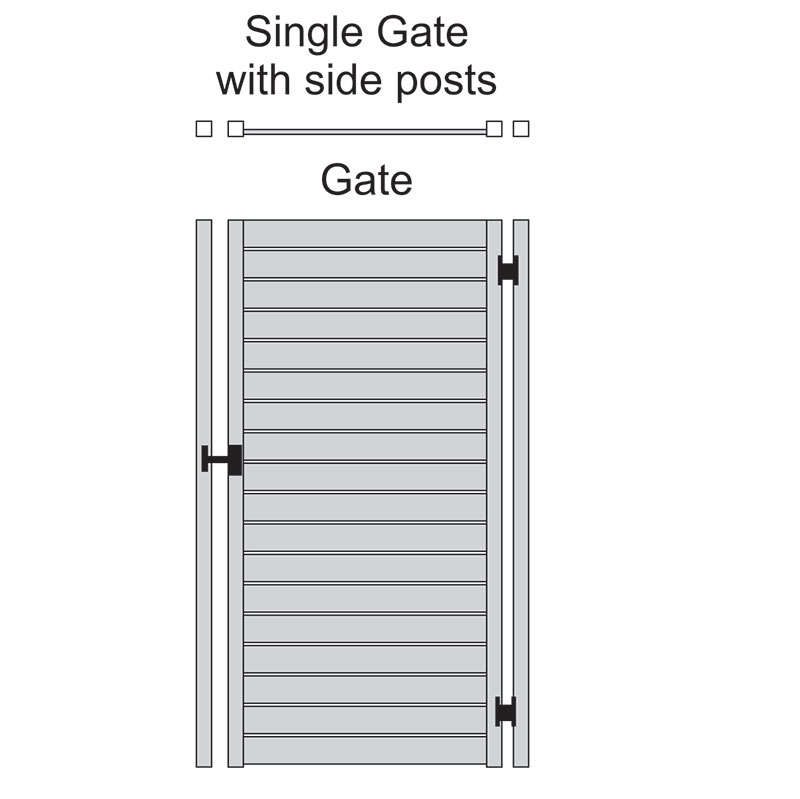
Single Gate with Posts on Either Side
A classic setup where the gate is hinged off one post and latches to another. Both posts are securely fixed—either into concrete footings or to structural walls—to ensure stability and proper gate alignment. Ideal for side access, paths, or walkways.
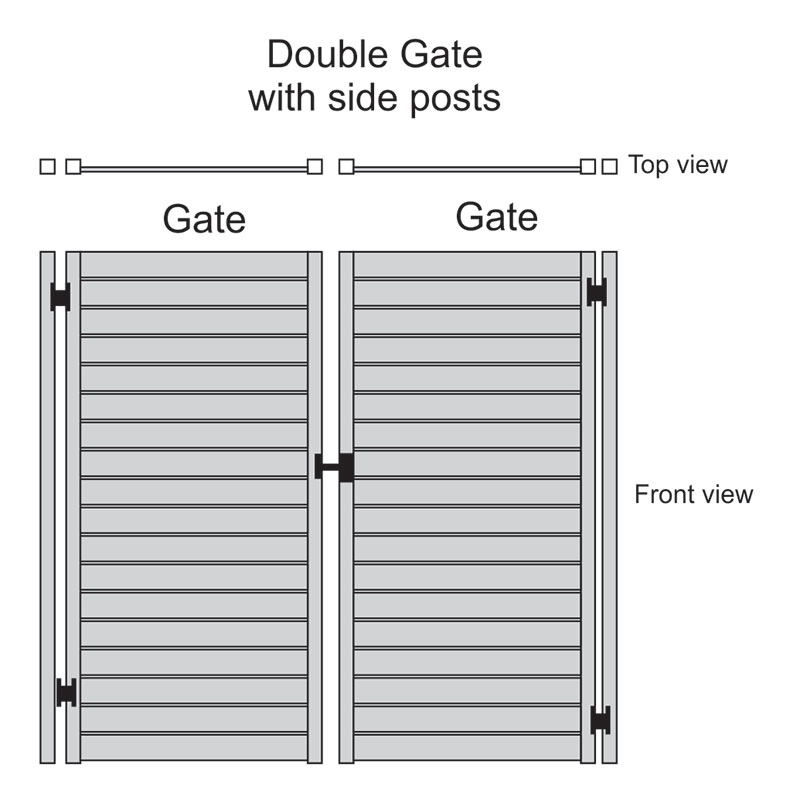
Double Gates with Centre Drop Bolt
Double-swing gates open from the centre, each leaf mounted to its own post. A centre drop bolt secures one side into the ground for stability, allowing the other to latch to it. This configuration is commonly used for driveway entrances or wider access points where space and symmetry are key.
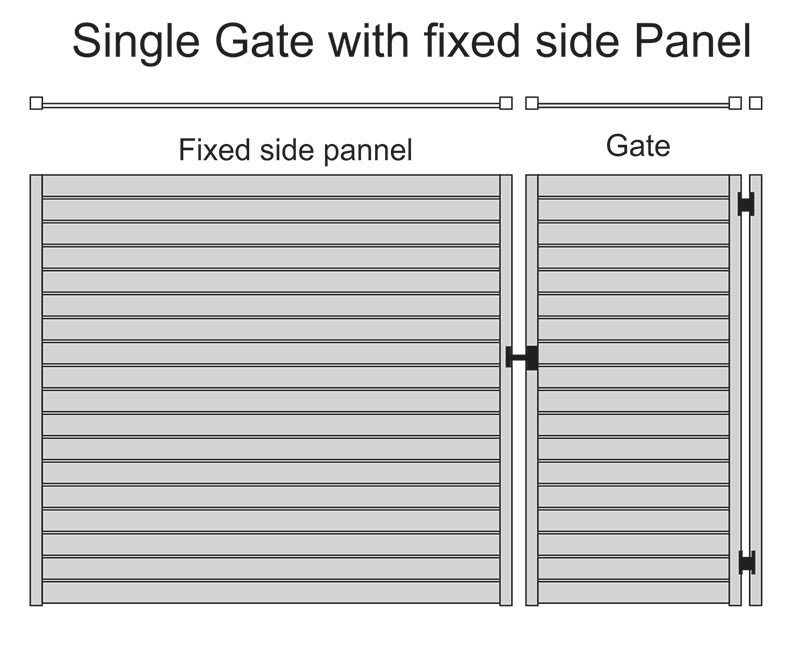
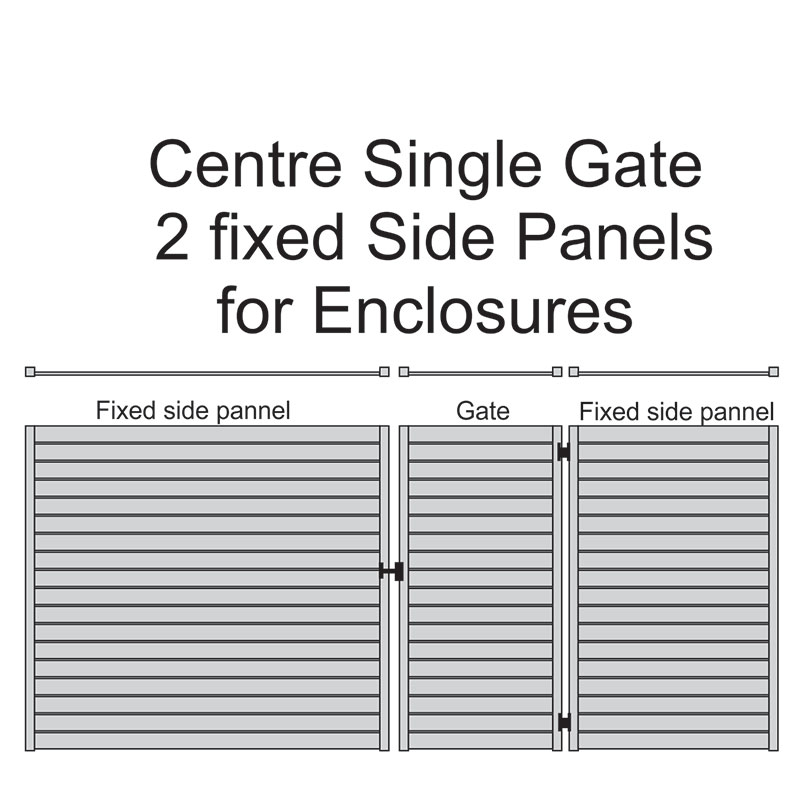
Gate with Fixed Panels on Either Side
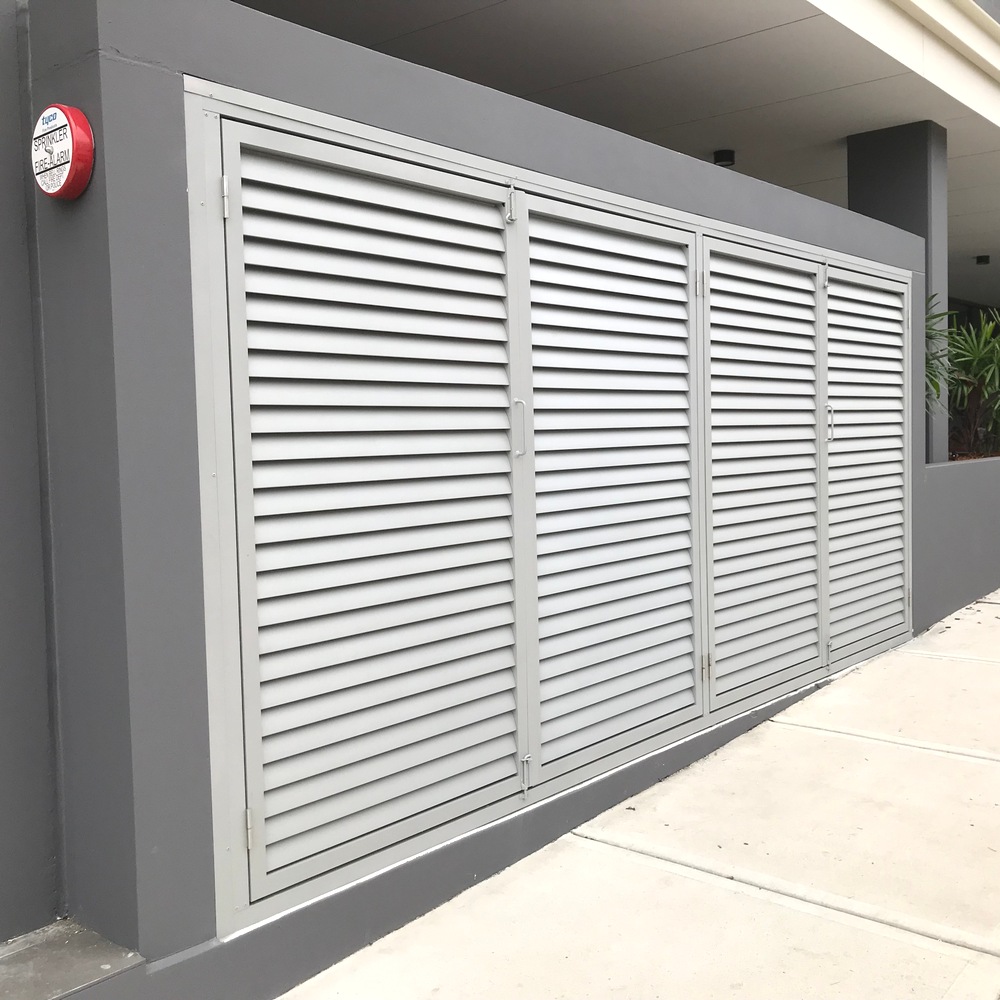
Used in enclosed areas like bin enclosures, air conditioning cages, or utility zones. The gate is installed between two fixed aluminium panels, providing privacy and airflow while allowing central access. Panels and gates are custom-sized to maintain symmetry and security.
Fence Panels with Posts in Between
Standard fencing configuration with slat, louvre, or picket panels installed between vertical aluminum posts. Posts are either embedded in concrete or surface-mounted, depending on the terrain. This modular system allows consistent spacing, strength, and easy customisation along boundaries or property lines.
Fixing to Brick or Concrete Walls
When fixing to brick or concrete, we use custom-made aluminium angles or brackets, secured with high-strength masonry anchors for a durable and stable installation. These components provide a solid mounting face for the louvre panels, whether you’re installing between walls, alongside a balcony, or in front of a window. On side walls, angles are typically used to create a flat surface for fixing the panels securely. As with any masonry fixing, it’s essential to ensure there is solid material behind rendered surfaces to achieve a reliable and long-lasting hold.
Fixing to Timber-Framed Walls
When fixing to timber-framed walls, it’s essential that all brackets or angles are secured directly into the structural studs behind the cladding, not the cladding itself. Our standard aluminium fixing angles can be used, but the integrity of the installation depends on anchoring into solid framing. If stud positions don’t align with the bracket layout, additional noggins or internal framing may be required. It’s ideal to plan mounting points before cladding is installed, and heavy-duty timber screws should be used for a strong, secure connection.
Installer Tip:
If the timber framing is still exposed, it’s a great time to plan and measure the louvre layout early. Working out bracket positions ahead of time can save significant effort and cost later on. In many cases, it may be best to design the louvre size to suit the stud layout, rather than the other way around.
Eco Awnings
Technical Data and Installation Guides
Manufactured in Sydney and supplied direct – custom-made for every project, with no middlemen and no delays.